“end of the century” search results (1000)

A detailed discussion on the General knowledge of Fine Coffee Culture in Hungary
Hungary is not only a unique hot spring kingdom, but also a veritable coffee empire. Budapest was known as the city of 500 cafes at the end of the 19th century. Cafes are the gathering place of Hungarian literati. Many writers go to fixed cafes and sit in fixed seats every day, and many of their works are done in cafes. Most of the addresses on these writers' business cards
2015-04-24 To talk about it in detail Hungary coffee culture boutique common sense is not only a heaven.
Columbia Coffee Manor Hope Manor introduction
The legendary Bourbon pointed Coffee is a natural variant found on the island of Bourbon. In the 18th century, the output of this high-end coffee, which was popular in Europe, reached 4000 tons, but in 1942, only 200kg was left. after the 20th century, this natural low-caffeinated coffee with excellent flavor disappeared from the market because of diseases and insect pests and economic factors.
2016-06-15 Columbia Coffee Manor Hope introduction bourbon pointy this Legend
Introduction of Columbia Coffee Manor Hope Manor
The legendary Bourbon pointed Coffee is a natural variant found on the island of Bourbon. In the 18th century, the output of this high-end coffee, which was popular in Europe, reached 4000 tons, but in 1942, only 200kg was left. after the 20th century, this natural low-caffeinated coffee with excellent flavor disappeared from the market because of diseases and insect pests and economic factors.
2016-07-16 Flavor excellent Columbia coffee manor hope introduction bourbon pointy this
Boutique coffee Indonesian coffee flavor
The mellow thickness of Asian coffee is higher than that of Central and South American and African beans, but its sour taste is lower, with slightly sunken wood, herb, spice and earthy flavor, and its low and stuffy aroma is higher than that of rising sour flavor. At the end of the 17th century, the Dutch East India Company transplanted Indian Arabica trees (Tibica) to Jakarta, Java. Due to the suitable climate and soil, Arabica quickly spread to Sumanda, Java.
2015-03-09 Boutique coffee Indonesia flavor Asia thickness Central and South America Africa beans
Introduction to Arabica Coffee Manor in Bali, Indonesia
Coffee treatment Coffee produced in Java is traditionally washed. Sumatra and Sulawesi are famous for their Indonesian wet planing wet-hulled, which is locally known as Giling Basah. The drying methods in coffee processing vary according to the situation: high-priced bed drying in the awning, balcony drying, roadside drying and other methods are all used. Although the flavor of coffee varies from region to region.
2016-08-05 Indonesia Bali coffee manor producing area flavor taste characteristics introduction rabbi
The origin of coffee and when was it introduced into China?
The word coffee comes from the Greek word Kaweh, which means strength and enthusiasm. Coffee tree is an evergreen shrub of Capsaceae. Daily coffee is made from coffee beans combined with a variety of cooking utensils, and coffee beans refer to the nuts in the fruit of coffee trees, which are then roasted with appropriate roasting methods. In ancient China, Shennong tasted all kinds of herbs and recorded them one by one.
2015-11-03 Coffee origin when was introduced China coffee the word from Greek.
The Basics of Roasting
I. The so-called coffee roasting (coffee roasting) refers to the process of converting raw beans into dark brown raw beans by heating the raw beans to cause a series of physical and chemical reactions inside and outside the coffee beans, and in the process to generate various flavors such as acid, bitterness, and sweetness of coffee, forming alcohol and color. 2. The importance of baking affects a cup of coffee
2014-11-18 Coffee Knowledge Fine Coffee Studies Coffee Roasting
Coffee roasting Basics of roasting
I. The so-called coffee roasting (coffee roasting) refers to the process of converting raw beans into dark brown raw beans by heating the raw beans to cause a series of physical and chemical reactions inside and outside the coffee beans, and in the process to generate various flavors such as acid, bitterness, and sweetness of coffee, forming alcohol and color. 2. The importance of baking affects a cup of coffee
2014-09-27 Coffee knowledge Coffee roasting Roasting basics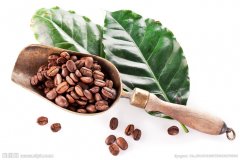
China's first key laboratory for coffee testing starts construction of mobile network baking China Coffee Network
According to the Yunnan Pu'er entry-exit Inspection and Quarantine Bureau, the construction of the national key laboratory for coffee testing began in Pu'er City, marking the birth of China's only national professional laboratory for coffee products in Yunnan Province. Coffee cultivation in Pu'er City began at the end of the 19th century, and its industrialization began in 1988. In 2015, the planting area of coffee in Pu'er City was 757000 mu, with an output of 402300 mu and a yield of 39900 tons.
2016-04-21 China the first coffee testing key laboratory start construction hand net baking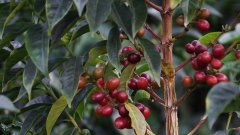
Guatemalan style Ladisha Manor Coffee Bourbon Kaddura High altitude Fine Coffee
Coffee was really introduced into Guatemala in 1750 by Father Jesuit, where the coffee industry was developed by German colonists at the end of the 19th century. Today, most of the coffee industry's production takes place in the south of the country. There are seven main coffee producing areas in Guatemala: Antigua, Coban, Atitlan and Huehuete.
2016-05-21 Guatemala Flavor Ratti Manor Coffee bourbon Kadu Lago altitude Fine
Guatemala boutique coffee Vivetnam fruit producing area coffee bean boutique coffee origin
Guatemala is a presidential republic in Central America, located in the south of the North American continent. It is bordered by the Pacific Ocean to the west, the Caribbean Sea to the east, Mexico to the north and Honduras and El Salvador to the southeast. Coffee was really introduced into Guatemala in 1750 by Father Jesuit, and the coffee industry was developed by German colonists at the end of the 19th century.
2016-04-15 Guatemala boutique coffee Viv Tenan producing areas coffee beans origin dangerous land
Guatemala Fine Coffee beans at Latisha Manor in the Rahan Plateau
Coffee was really introduced into Guatemala in 1750 by Father Jesuit, where the coffee industry was developed by German colonists at the end of the 19th century. Today, most of the coffee industry's production takes place in the south of the country. There are seven main coffee producing areas in Guatemala: Antigua, Coban, Atitlan and Huehuete.
2016-05-14 Rahan Plateau Ratti Manor Guatemala Fine goods Coffee beans Coffee Real
When was coffee introduced into China? Spread and Development of Coffee in China
The word coffee comes from the Greek word Kaweh, which means strength and enthusiasm. Coffee tree is an evergreen shrub of Capsaceae. Daily coffee is made from coffee beans combined with a variety of cooking utensils, and coffee beans refer to the nuts in the fruit of coffee trees, which are then roasted with appropriate roasting methods. In ancient China, Shennong tasted all kinds of herbs and recorded them one by one.
2015-11-04 Coffee when introduced China spread development coffee the word from Xi
Coffee culture Dutch people spread coffee to the world
In the process of popularizing coffee to the whole world, the Dutch have spared no effort! Since the end of the sixteenth century, when Venetian merchants resold coffee all over Europe, the Dutch, unwilling to be reduced to second-hand dealers, have deliberately tried to grow their own coffee. Nicholas of Amsterdam in 1696. Nicolaas Witson was the first to suggest to his superiors that coffee should be grown
2015-01-17 Coffee culture Dutch Coffee Promotion Worldwide Over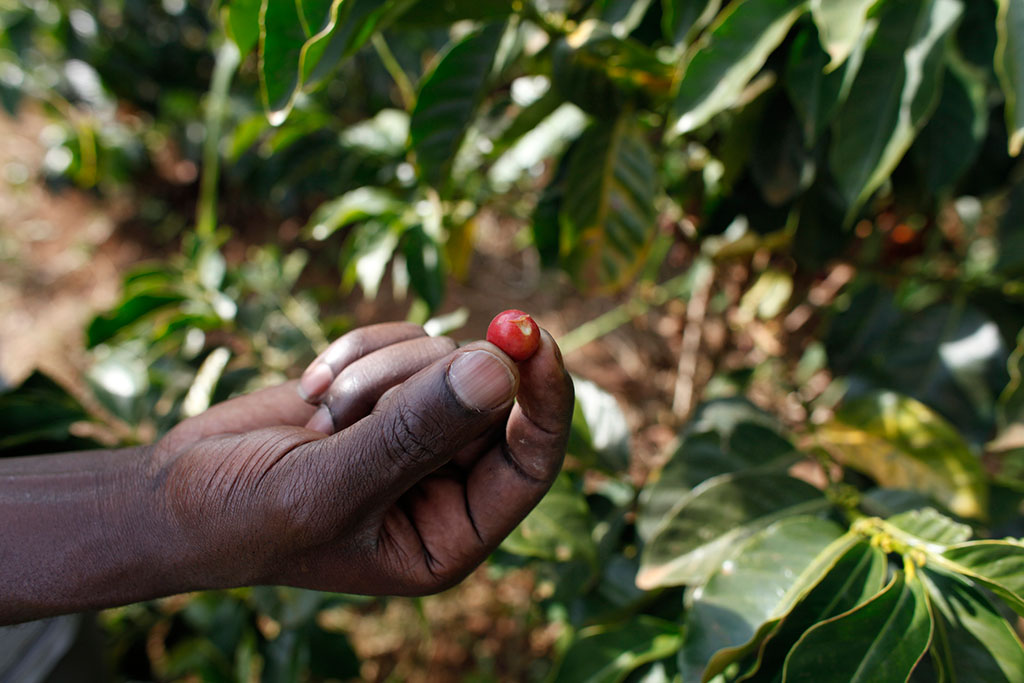
The Origin of Coffee name and the introduction of long History and Culture Coffee must be seen by beginners
The origin of the name of coffee begins with Ethiopian legend in the 5th century AD, when the sheep of the shepherd boy Kadi was so excited after eating a strange kind of red fruit that Kadi and his companions could not help but give it a try. I feel refreshed and tired out. This kind of red fruit has since become a part of the local food culture, and this red fruit is coffee.
2015-12-02 Coffee name origin long history and culture introduction beginner must see coffee
Boutique Coffee at La Tisa Manor in the Farahan Plateau of Guatemala
Coffee was really introduced into Guatemala in 1750 by Father Jesuit, where the coffee industry was developed by German colonists at the end of the 19th century. Today, most of the coffee industry's production takes place in the south of the country. There are seven main coffee producing areas in Guatemala: Antigua, Coban, Atitlan and Huehuete.
2016-05-23 Guatemala Farah plateau Ratti manor boutique coffee real biography
The process coffee culture that promotes coffee to the world
In the process of promoting coffee to the world, the Dutch have spared no effort. Since Venice merchants resold coffee all over Europe at the end of the 16th century, the Dutch were unwilling to become second-tier traders and tried to grow their own coffee. Nicholas of Amsterdam in 1696. Nicolaas Witson was the first to suggest to his superiors that coffee should be grown
2015-07-29 Coffee Promotion World process Coffee Culture
Us media say Starbucks planted the seed of self-destruction in China: rotten street
The article on the Forbes bi-weekly website on February 16, the original question: is Starbucks planting the seed of self-destruction in China? When people come here, an employee of a Starbucks in Jiangsu stutters to me, because it is expensive and extravagant? I asked. Yes, luxury. Her words sum up a basic component of Starbucks' success in China. At the end of the last century, Starbucks entered
2016-02-19 American Media Buck in China planting self destruction seed Street United States Forbes
Coffee producing area Manor Guatemala Coffee Manor La Tisa Manor
Coffee was really introduced into Guatemala in 1750 by Father Jesuit, where the coffee industry was developed by German colonists at the end of the 19th century. Today, most of the coffee industry's production takes place in the south of the country. There are seven main coffee producing areas in Guatemala: Antigua, Coban, Atitlan and Huehuete.
2016-06-16 Coffee producing area Manor Guatemala Ratti Real introduced
Introduction to the characteristics of Bolivian Coffee Manor with vanilla flavor
Bolivia was conquered by Spain at the end of the 15th century and became a Spanish colony in 1538, historically known as Peru, belonging to the governor district of La Plata, Spain. Bolivia was rescued from independence by Bolivar, a national hero from Caracas, Venezuela, during the War of Independence in Latin America in the 18th century, so the country was named after him. On August 6, 1825, it was announced that
2016-08-24 Vanilla Flavor Bolivia Coffee Manor producing area characteristics Fine goods Coffee beans